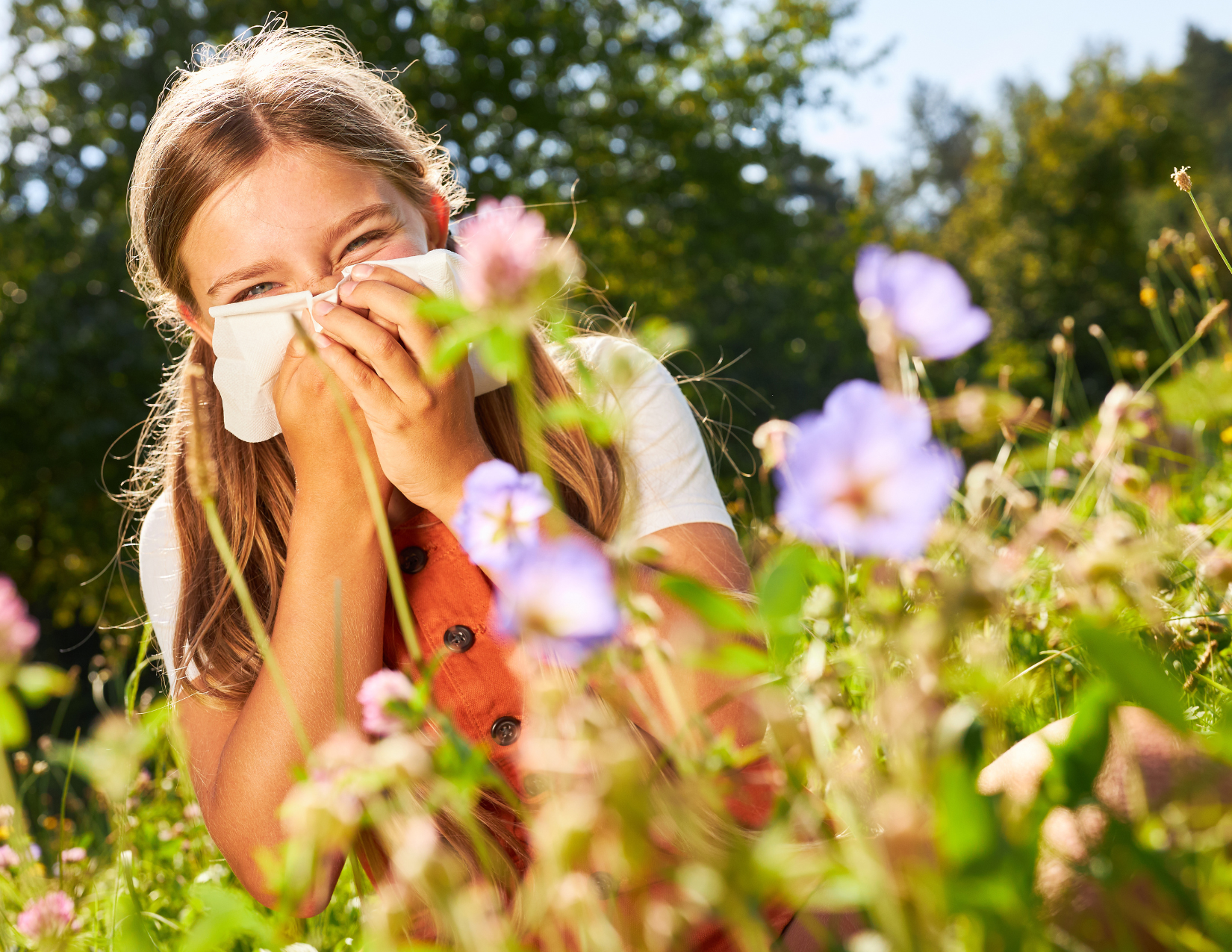
Seasonal allergies get a lot of attention each year—and for good reason. They affect an estimated 40 to 60 million Americans, including up to 30% of adults and nearly 1 in 5 children. As the seasons shift, so do the triggers, leaving many people dealing with sneezing, congestion, and itchy eyes for weeks (or even months) at a time.
What Is an Allergy?
An allergy is the body’s overreaction to a substance it mistakenly sees as harmful. According to the Oxford Languages Dictionary, it’s “a damaging immune response…to a substance…to which it has become hypersensitive.”
Common triggers include pollen, pet dander, dust, certain foods, and mold. In this article, we’ll focus on seasonal allergies—especially hay fever (allergic rhinitis)—including when they occur, what symptoms to watch for, and how to manage them naturally and medically.
Understanding Seasonal Allergies
Seasonal allergies occur when your immune system reacts to airborne allergens like pollen. These triggers vary throughout the year, depending on what’s blooming.
Common culprits include:
Tree pollen (early spring)
Grass pollen (late spring to early summer)
Weed pollen (late summer to fall)
Mold spores (year-round, but worse in warm, damp conditions)
When Is Allergy Season? A Seasonal Breakdown
Allergy timing depends on where you live, but here’s a general guide:
Spring (February – June)
Often the toughest season for allergy sufferers. Tree pollen—especially from oak, maple, birch, and cedar—can start as early as February and linger into June.
Summer (May – July)
As tree pollen fades, grass pollen takes over. Bermuda, Timothy, and Kentucky bluegrass are common triggers.
Fall (August – November)
Ragweed dominates this season, with peak levels from late August through November. Other weeds like sagebrush and pigweed also contribute.
Winter (Indoor Allergies)
While outdoor pollen drops, indoor allergens like dust mites, pet dander, mold, and even cockroach droppings can still cause symptoms year-round.
Does Location Matter? Absolutely.
Where you live plays a big role in when allergy season starts:
Northeast & Midwest: Later start (March–April) due to colder winters
Southeast: Earlier onset (January–February) thanks to milder weather
West Coast: Longer seasons due to overlapping pollens
Southwest: Dry, windy conditions can mean year-round symptoms
What Affects Allergy Severity?
Several environmental factors can influence how intense your symptoms feel:
Warm days and cool nights encourage pollen growth
Humidity promotes mold
Pollen levels peak in the morning
Rain temporarily clears pollen—but levels often spike afterward
Wind spreads pollen widely, increasing exposure
Even relocating to a different climate doesn’t guarantee relief—most allergens are widespread.
Other Seasonal Triggers You Might Not Expect
Beyond pollen, some seasonal irritants include:
Smoke (campfires in summer, fireplaces in winter)
Insect bites and stings
Chlorine from swimming pools
Holiday-related exposures (like candy ingredients or pine trees)
How Do You Know If It’s Seasonal Allergies?
If your symptoms appear at the same time each year, allergies are a strong possibility. For a definitive diagnosis, a board-certified allergist can perform testing, such as:
Skin tests (most common): A small amount of allergen is applied to the skin to observe a reaction
Blood tests: Used in certain cases to identify sensitivities
Common Symptoms
Seasonal allergy symptoms can range from mild to disruptive and may include:
Runny or stuffy nose (often with clear mucus)
Sneezing
Coughing
Red, watery eyes
Itchy nose, eyes, or throat
Scratchy or sore throat
Treatment Options: What Can Help?
Medications
Several over-the-counter and prescription options can provide relief:
Antihistamines (e.g., cetirizine, loratadine, fexofenadine)
Decongestants for short-term congestion relief
Corticosteroid nasal sprays to reduce inflammation
Leukotriene modifiers to control airway inflammation
Mast cell stabilizers to prevent histamine release
Always check with your healthcare provider, especially for long-term use or combination medications.
Natural Ways to Manage Symptoms
If you prefer a more natural approach—or want to supplement medication—these strategies can help:
Lifestyle & Environmental Support
Saline nasal rinses to flush out allergens
HEPA filters to improve indoor air quality
Air conditioning & dehumidifiers to reduce pollen and mold exposure
Showering and changing clothes after being outdoors
Important: Use only distilled or previously boiled water for nasal irrigation to avoid infection.
Natural Compounds & Supplements
Some nutrients and plant-based compounds may help regulate your immune response:
Quercetin (found in apples and onions)
Vitamin C (a natural antihistamine)
Butterbur (must be labeled “PA-free” for safety)
Stinging nettle (may reduce itching and sneezing)
Keep in mind: while promising, research on some herbal remedies is still limited.
Alternative Therapies
Allergen immunotherapy (allergy shots) to build long-term tolerance
Acupuncture for symptom relief
Probiotics to support immune balance
Essential oils (like peppermint or eucalyptus) for temporary relief
How to Prepare for Allergy Season
A little preparation can go a long way:
Check daily pollen counts
Start medications a few weeks before symptoms begin
Limit outdoor activity on high-pollen days
Keep windows closed during peak seasons
Wear a mask when doing yard work
Shower and change clothes after spending time outside
Final Thoughts
Seasonal allergies may be common, but that doesn’t mean you have to suffer through them. By understanding your triggers and taking proactive steps, you can significantly reduce symptoms—and enjoy each season a little more comfortably.
If your symptoms feel overwhelming or persistent, consider consulting an allergist for personalized guidance and treatment options.
References:
“When Does Allergy Season Start? A Guide from an Allergist.” Premier Allergy, 4 Mar. 2025, www.premier-allergy.com/when-does-allergy-season-start-a-guide-from-an-allergist/.
“Seasonal Allergies: Causes, Symptoms & Treatment: Acaai Public Website.” ACAAI Patient, 7 Nov. 2022, acaai.org/allergies/allergic-conditions/seasonal-allergies/.
Mayo Clinic “Seasonal allergies: Nip them in the bud” By Mayo Clinic Staff, February 28, 2024
“Fighting Fall Hay Fever Symptoms” https://youtu.be/-LteXp-OPZE?si=wMLkK-52b79Ek7sq