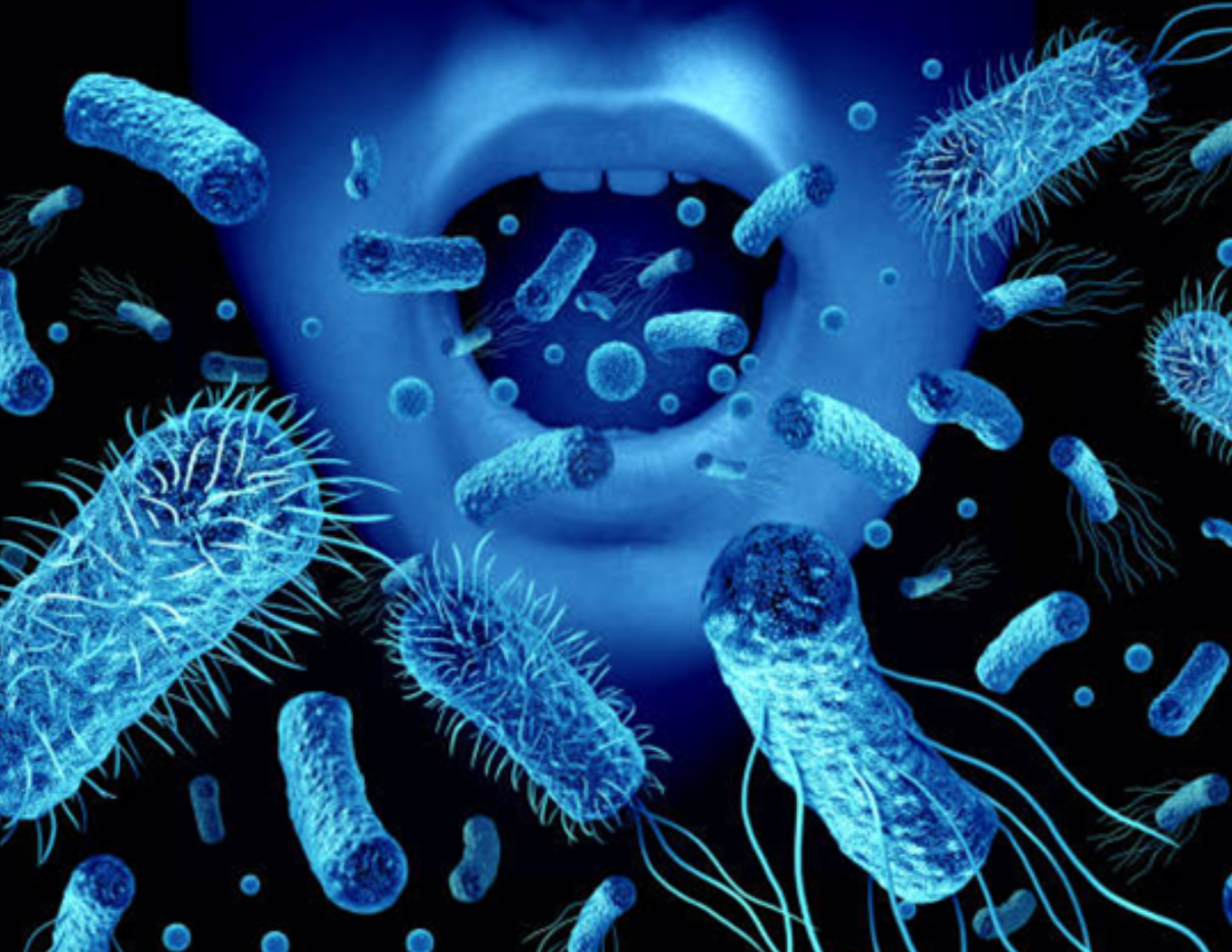
In Part 1 of our Oral Health series, we explored why good oral hygiene is about far more than a bright smile. The mouth truly is a gateway to the body, and what happens there can influence long-term systemic health. We also reviewed which ingredients to look for and avoid in oral care products to help protect that balance.
In Part 2, we’re turning our focus to an often-overlooked player in oral health: the oral microbiome. Understanding how it works and how daily habits support or disrupt it can make a meaningful difference for your teeth, gums, and overall well-being.
You Mean There’s More Than One Microbiome?
When people talk about “the microbiome,” they usually mean the gut. But your mouth hosts its own complex ecosystem—one that’s biologically distinct and critically important.
Although the oral and gut microbiomes are physically connected, they differ in several key ways:
• Diversity:
The gut contains the largest number of microbes in the body, but the oral cavity is among the most diverse environments in terms of bacterial species relative to its size.
• Dominant Bacteria:
The oral microbiome is dominated by Firmicutes, with Streptococcus species playing a central protective role. The gut microbiome is largely composed of Bacteroidetes and Firmicutes, with Bacteroides as a dominant genus.
• Environmental Barriers:
Gastric acid and bile acids usually prevent oral bacteria from colonizing the gut—unless illness or inflammation weakens this barrier.
• Stability:
The gut microbiome tends to remain relatively stable over time, while the oral microbiome is more dynamic and sensitive to daily habits like diet and hygiene.
Despite these differences, the two systems are connected by an oral–gut axis. We swallow millions of oral bacteria each day, and when balance is disrupted, those bacteria may contribute to inflammation elsewhere in the body.
What the Oral Microbiome Actually Does
The oral microbiome forms a living, self-regulating biofilm (commonly called plaque). In a healthy state, beneficial bacteria:
• Compete with harmful microbes for space and nutrients
• Maintain a neutral pH that discourages cavity-causing bacteria
• Produce natural antimicrobial compounds
• Work with saliva and the immune system to keep bacterial populations in check
When this balance is disrupted, a state known as dysbiosis, issues such as cavities, gum disease, inflammation, and bad breath become more likely. Common contributors include high sugar intake, poor oral hygiene, and frequent use of broad-spectrum antibiotics or antiseptic mouthwashes.
How Oral Probiotics Support Balance
Unlike gut probiotics, oral probiotics work locally. They’re designed to dissolve slowly in the mouth, allowing beneficial bacteria to adhere to the teeth, gums, and tongue, right where they’re needed.
Well-studied oral probiotic strains include:
• Streptococcus salivarius K12 – helps reduce bad breath by targeting odor-causing bacteria
• Streptococcus salivarius M18 – supports plaque control and acid neutralization
• Lactobacillus reuteri – shown to reduce gum inflammation and bleeding
• Lactobacillus paracasei – may inhibit Streptococcus mutans, a primary cause of tooth decay
Restoring balance is a two-part strategy: add beneficial bacteria with probiotics and feed them properly with prebiotics while limiting sugar, which fuels harmful microbes.
Foods That Support a Healthy Oral Microbiome
Daily food choices matter more than you might think:
• Fermented foods: Unsweetened yogurt, kefir, sauerkraut, and kimchi introduce beneficial bacteria
• Nitrate-rich vegetables: Spinach, arugula, kale, and beets support nitric oxide production
• Arginine-rich foods: Poultry, nuts, and whole grains help neutralize oral acids
• Crunchy fruits and vegetables: Apples, carrots, and celery stimulate saliva and gently clean teeth
Prebiotics: Fuel for Good Bacteria
• Garlic, onions, asparagus, and bananas
• Xylitol, found in some sugar-free gums, starves harmful bacteria while boosting saliva flow
Choosing and Using Oral Probiotics Effectively
To get the most benefit, look for products specifically designed for oral health:
What to look for:
• Lozenges or chewable tablets (not capsules)
• Clinically studied strains like BLIS K12 and BLIS M18
• 1–3 billion CFUs per dose
• A potency guarantee through expiration
Best time to take them:
At night, after brushing and flossing. Saliva flow decreases during sleep, giving beneficial bacteria the best chance to colonize. Avoid eating, drinking, or using mouthwash for at least 30 minutes afterward.
The Mouthwash Problem: When “Clean” Goes Too Far
Many conventional mouthwashes approach killing harmful bacteria and beneficial ones. Ingredients such as chlorhexidine, hydrogen peroxide, alcohol, and strong antiseptics can disrupt the oral microbiome and contribute to dysbiosis.
Research suggests that frequent use of antibacterial mouthwash may also interfere with nitric oxide production, a process that begins in the mouth and plays a role in regulating blood pressure. Mouthwash lowers nitric oxide synthesis, which has systemic, body-wide effects and contributes to high blood pressure.
A Microbiome-Friendly Alternative: Oil Pulling
Instead of daily mouthwash use, some experts recommend oil pulling, a traditional Ayurvedic practice. Swishing coconut oil for several minutes may help reduce plaque, soothe inflammation, and freshen breath without disrupting beneficial bacteria.
(Tip: Always spit the oil into the trash, not the sink.)
Supporting Oral Health—Naturally
In most cases, you don’t need mouthwash to maintain a healthy mouth. Instead, focus on habits that support balance:
• Brush and floss daily (including the tongue)
• Choose microbiome-supportive toothpaste
• Eat a nutrient-rich, low-sugar diet
• Consider oral probiotics when appropriate
• Work with a biological or functional dentist for personalized care
A healthy oral microbiome doesn’t just protect your smile—it supports inflammation control, circulation, and whole-body wellness.
References
• Tartaglia, G. M., et al. (2017). Mouthwashes in the 21st century: Active molecules and periodontal outcomes. Expert Opinion on Drug Delivery, 14(8), 973–982.
• Tartaglia, G. M., et al. (2019). Adverse events associated with home use of mouth rinses. Therapeutic Advances in Drug Safety, 10.
• Brookes, Z., et al. (2023). Mouthwash effects on the oral microbiome. International Dental Journal, 73(Suppl 2), S74–S81.
• Joshipura, K., et al. (2020). Over-the-counter mouthwash use, nitric oxide and hypertension risk. Blood Pressure, 29(2), 103–112.
• Shanbhag, V. K. (2016). Oil pulling for maintaining oral hygiene. Journal of Traditional and Complementary Medicine, 7(1), 106–109.