In Part 1 of our blog on the wellness benefits of tea, we explored the history of the tea ritual and the research behind some of the many ways different teas may support overall well-being.
Now, we turn our attention to a more practical question: How do you choose the teas that best fit your preferences, your lifestyle, and your personal wellness goals?
Whether you are just beginning to explore tea or looking to make it a more meaningful part of your daily routine, the goal is not to find the “perfect” tea. It is to discover simple choices you genuinely enjoy and will return to again and again.
With so many varieties available, choosing tea can sometimes feel overwhelming. Fortunately, you do not need to become a tea expert to find options that work for you.
The best tea is often the one you enjoy enough to drink regularly.
Choosing Tea That Fits Your Life
Look for quality ingredients.
Choose teas made with recognizable ingredients and avoid blends with unnecessary added sugars, artificial flavors, or excessive additives. Loose-leaf teas often provide a more complete tea experience, although high-quality tea bags can also offer excellent flavor and enjoyment.
Freshness, sourcing, and the quality of ingredients all contribute to the overall tea experience.
Consider your personal wellness goals.
Your ideal tea may depend on the moment you are trying to create.
If you enjoy a morning boost, a caffeinated tea such as green or black tea may be a good fit. If you want an evening ritual, naturally caffeine-free herbal infusions such as chamomile, rooibos, or lemon balm may be better choices.
Pay attention to brewing.
Water temperature and steeping time can influence both flavor and the compounds extracted from tea.
Green and white teas generally benefit from cooler water and shorter steeping times, while black teas typically tolerate hotter water and longer brewing. Herbal teas are often steeped for 5 – 15 minutes to allow their flavors and plant compounds to fully infuse.
Experimenting with brewing methods can help you discover the flavor and strength you enjoy most.
Choose organic when it aligns with your preferences.
Organic teas are grown without artificial fertilizers, synthetic pesticides or genetically modified organisms. This sustainable approach to farming certifies that these teas are healthier for human consumption and for the environment.
In addition to providing reduced exposure to harmful substances, it is thought that organic tea may retain more nutrients than non-organic tea due to the lack of interference of synthetic chemicals.
However, organic certification is only one factor to consider. Quality, freshness, sourcing, and personal taste all contribute to the overall experience.
Enjoying Tea Mindfully: Safety Considerations and Simple Guidelines
For most healthy adults, tea can be an enjoyable and safe addition to a balanced lifestyle. However, as with any food, beverage, or supplement, it is important to consider individual health needs and circumstances.
Be Mindful of Caffeine
Traditional teas, including green, black, white, and oolong, naturally contain caffeine, although amounts vary depending on the type of tea, serving size, and brewing method.
For many people, moderate caffeine intake can fit comfortably into a healthy lifestyle. However, individuals who are sensitive to caffeine may experience effects such as restlessness, difficulty sleeping, or a faster heartbeat.
If you enjoy caffeinated tea, consider drinking it earlier in the day, especially if you notice that caffeine affects your sleep. For those who prefer an evening cup, naturally caffeine-free options such as chamomile, rooibos, peppermint, or lemon balm may be better choices.
Consider Your Personal Health Needs
Although teas are natural beverages, “natural” does not automatically mean appropriate for everyone in every situation.
Some herbs may interact with medications or affect certain health conditions. Individuals who take blood-thinning medications, have upcoming surgery, are pregnant, or manage chronic health conditions may want to discuss regular use of concentrated herbal products with their healthcare provider.
This does not mean that herbal teas should be avoided. It simply means that personal health circumstances matter, and individualized guidance is always the best approach.
Choose Tea as Part of a Balanced Lifestyle
Tea can be a wonderful addition to healthy living, but it works best as one piece of a larger wellness picture.
A cup of tea cannot replace nutritious food, regular movement, quality sleep, stress management, preventive healthcare, or meaningful relationships. Instead, it can support these habits by creating small moments of mindfulness and self-care throughout the day.
The most beneficial wellness routines are often the ones that feel natural enough to become part of everyday life.
Making Tea Part of Everyday Life
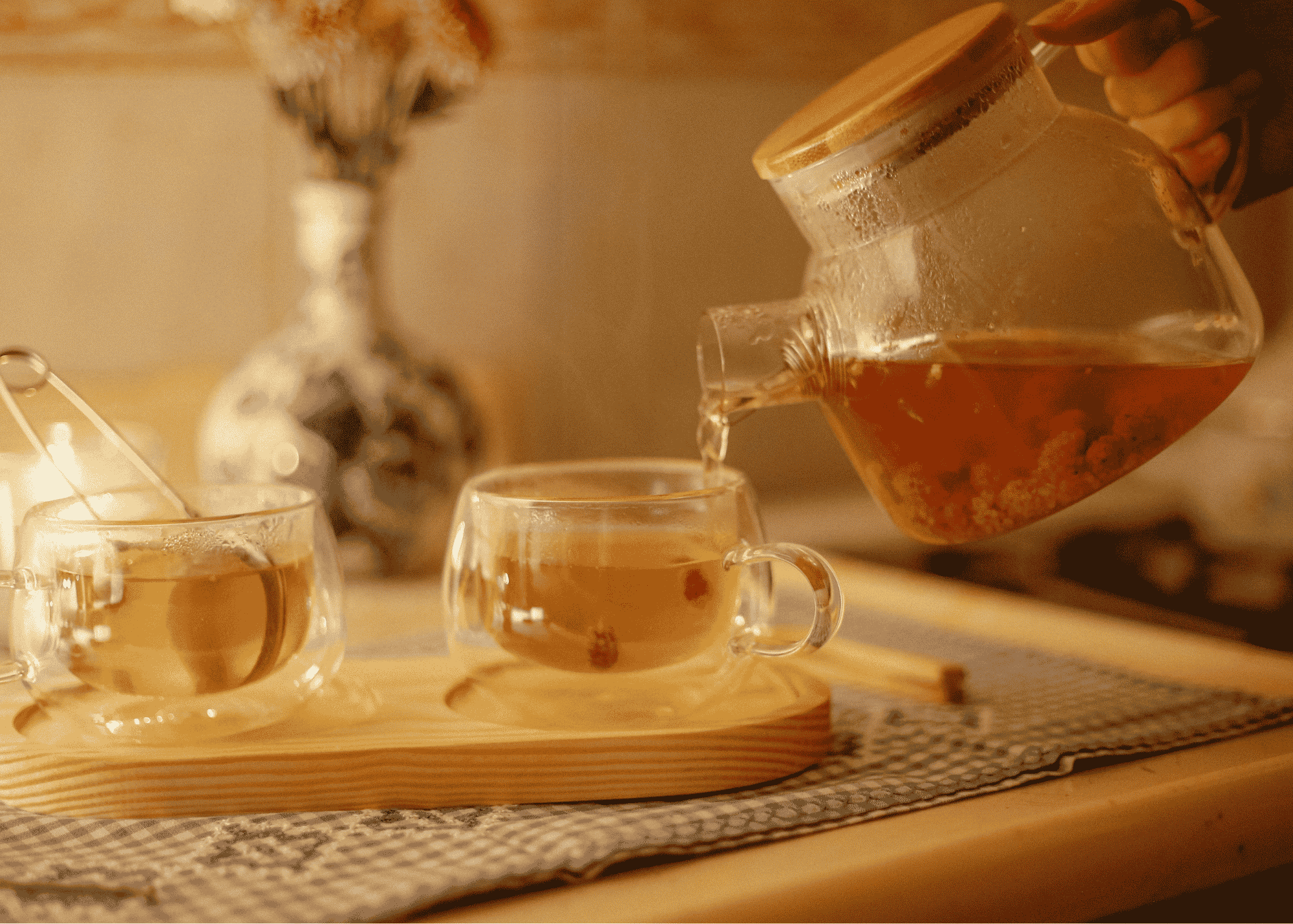
One of the reasons tea has remained part of cultures around the world for centuries is that it naturally fits into daily routines. It does not require complicated equipment, a major lifestyle change, or a significant investment.
You might begin your morning with green tea while planning your day. You might enjoy peppermint or ginger tea as an afternoon pause. As evening approaches, a cup of chamomile, rooibos, or lemon balm can become a gentle signal that it is time to slow down.
Rather than trying to drink every type of tea, choose a few favorites that fit naturally into your schedule and preferences. A simple tea routine is far more likely to become a lasting habit than one that feels complicated or rigid.
Keeping Tea Fresh
To preserve flavor and aroma:
• Store tea in an airtight container.
• Keep it away from moisture, heat, and direct sunlight.
• Avoid storing tea near strong-smelling foods or spices.
• Purchase amounts you will enjoy while they are fresh.
Small details can make the difference between a good cup of tea and a truly enjoyable experience.
Exploring Herbal Tea Blending
Creating your own herbal tea blend can be a fun and personal way to enjoy tea. The goal is not to create a complicated formula, but to combine flavors and aromas that you enjoy.
Most herbal teas are prepared as infusions by steeping leaves, flowers, and other delicate plant parts in hot water, covered, for 5 - 15 minutes, after which, straining the blend . Tougher ingredients such as roots, bark, and berries may require a longer preparation method called a decoction, where they are simmered, covered, at a higher heat for 10 – 15 minutes to help release their flavors and compounds, then strained.
When creating a blend, it can help to think of the ingredients in three categories:
Base herbs provide the foundation of the blend and create the primary flavor. Examples include chamomile, lemon balm, or rooibos.
Supporting herbs complement the base by adding additional flavor, aroma, or character.
Accent herbs are used in smaller amounts to provide a finishing touch, such as a floral note or a burst of flavor.
A general starting point is:
· 3 parts base herb
· 1 – 2 parts supporting herbs
· ¼ – 1 part accent herb
Beginning with one to four herbs is often enough to create a balanced blend. The best way to learn is through simple experimentation: prepare a cup, taste it, and adjust the blend according to your preferences.
Try It Yourself: Stress-Relief Herbal Tea Blend
Certain herbs have traditionally been used in calming tea blends. Individual experiences vary, but many people enjoy these herbs as part of a relaxing evening routine.
Ingredients
· 1 cup dried chamomile (base herb)
· ½ cup dried tulsi (supporting herb)
· ¼ cup dried rose petals (accent herb)
Instructions
1. Combine the herbs in a bowl and gently mix until evenly blended.
2. Store the mixture in an airtight glass container and label it with the ingredients and date.
3. To prepare one cup, steep 1 tablespoon of the blend in 8 ounces of hot water for 5–15 minutes.
4. Strain and enjoy.
Before taking your first sip, pause for a moment and enjoy the aroma rising from your cup. Sometimes the ritual itself can be just as restorative as the tea.
Beyond the Cup: A Simple Wellness Habit That Endures
For thousands of years, tea has brought people together through culture, tradition, and everyday rituals. Modern research continues to explore how the natural compounds found in tea may support many aspects of wellness, from heart and cognitive health to relaxation and digestive comfort.
But perhaps tea’s greatest gift is not found in one single ingredient.
It is found in the experience.
It is the warmth of the cup between your hands. The familiar aroma that signals a moment of calm. The opportunity to step away from the rush of the day and reconnect with yourself.
Tea is not a replacement for healthy habits or medical care. It is something simpler and perhaps more meaningful: one small, enjoyable ritual that can support a healthier way of living.
Sometimes lasting wellness begins with something as simple as putting the kettle on.
Resources
The following resources provide additional information on tea, herbal ingredients, and evidence-based approaches to wellness.
Harvard T.H. Chan School of Public Health. (n.d.). Tea. https://nutritionsource.hsph.harvard.edu/tea/
National Center for Complementary and Integrative Health. (n.d.). Herbs at a glance. National Institutes of Health. https://www.nccih.nih.gov/health/herbsataglance
National Institutes of Health. (n.d.). Dietary supplements and herbal medicines: Research and safety information. https://www.nih.gov/
Northwest School of Aromatic Medicine. (n.d.). Herbal tea blending for stress relief. https://aromaticmedicineschool.com/herbal-tea-blending-for-stress-relief/
U.S. Department of Agriculture. (n.d.). FoodData Central. https://fdc.nal.usda.gov/