Part 1: Considering the Wellness Benefits of Tea
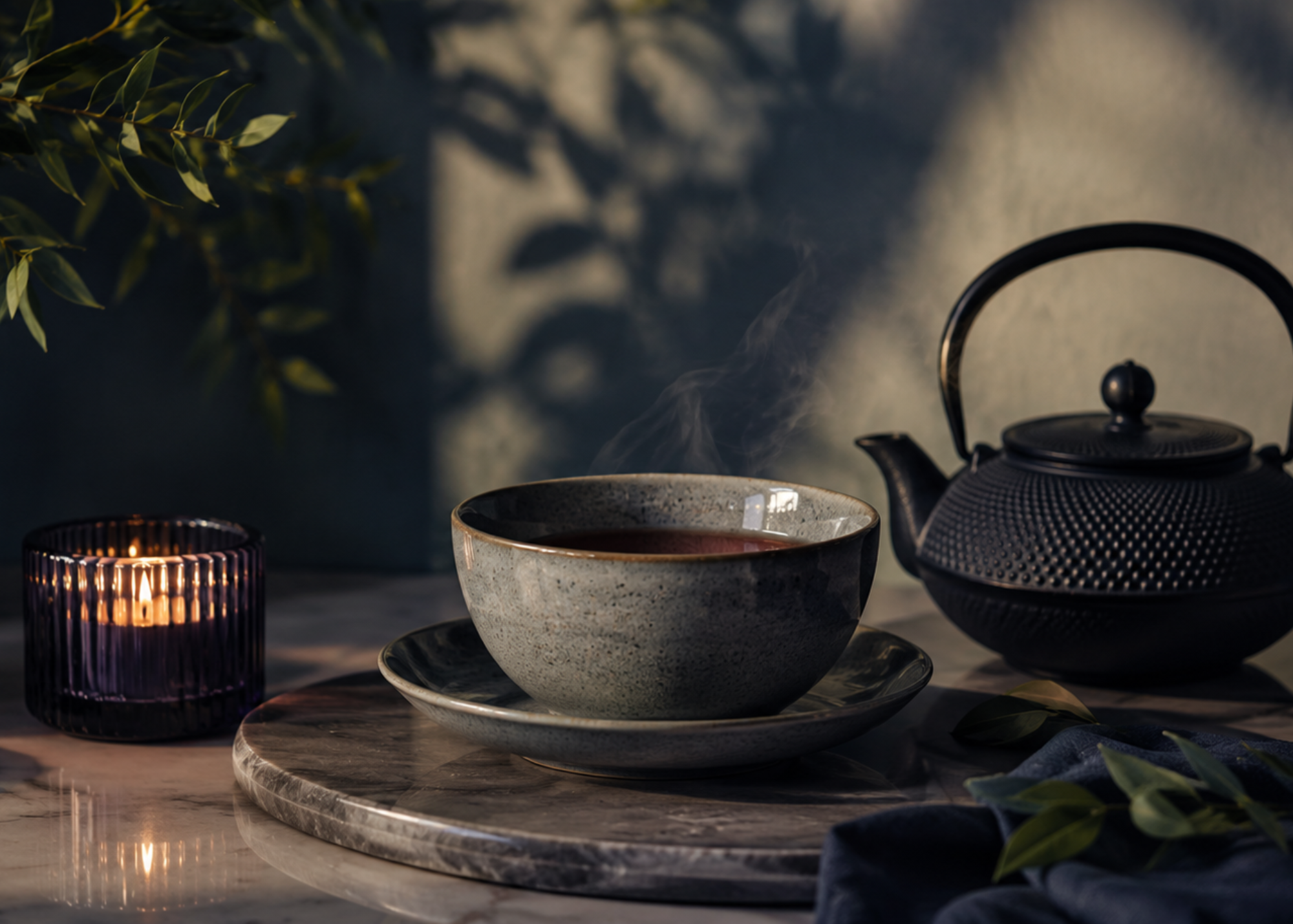
The kettle begins to whistle. Warm steam rises as fragrant leaves slowly release their color and aroma into hot water. Whether it is the first cup that helps ease you into a busy morning or a calming blend enjoyed at the end of the day, tea has a remarkable way of encouraging us to pause.
For thousands of years, people around the world have turned to tea not only for comfort and refreshment but also as part of daily wellness traditions. Across cultures, tea has been valued for its ability to bring people together, create moments of mindfulness, and provide a simple ritual within everyday life.
Today, modern research is helping us better understand why many of these traditions have endured. Tea contains naturally occurring plant compounds, including polyphenols and other antioxidants, that researchers continue to study for their potential role in supporting areas such as cardiovascular, cognitive, and digestive health and healthy aging.
That does not mean tea is a cure-all. No single food or beverage can prevent disease or replace healthy habits such as nutritious eating, regular movement, restorative sleep, and preventive medical care. Instead, tea can be one enjoyable part of a balanced lifestyle—something that supports wellness while adding a moment of comfort and intention to the day.
Perhaps one of tea’s greatest benefits is not found only in the leaves themselves. Preparing tea creates an opportunity to slow down. In a world that constantly encourages us to hurry, a simple cup of tea offers a few peaceful moments to reconnect with ourselves.
A Tradition That Continues Today
Tea is one of the world’s oldest and most widely enjoyed beverages. Originating thousands of years ago in China, tea eventually traveled across continents, becoming an important part of cultures throughout Asia, Europe, the Middle East, and beyond.
Today, people continue to enjoy tea in many forms. Some choose traditional teas made from Camellia sinensis, including green, black, white, and oolong teas. Others enjoy herbal infusions made from flowers, roots, fruits, and spices, such as chamomile, peppermint, ginger, and rooibos.
Modern science has added another layer of understanding to this centuries-old tradition. Researchers are continuing to explore how the natural compounds found in tea may contribute to overall well-being, while people around the world continue to appreciate tea for the comfort, connection, and mindful moments it creates.
In Part 1 of our article, as we explore the wide varieties of tea, remember that the goal is not to find a “perfect” tea. The best choice is the one that fits your preferences, your lifestyle, and the moments when you need a little pause in your day.
Ease Into Your Morning: Green Tea for Focus and Everyday Wellness
Green Tea
The morning begins quietly. Before the pace of the day takes over, a warm cup of green tea can offer a gentle transition—a moment to wake up, focus, and begin with intention.
Among the world’s most studied teas, green tea has earned considerable attention for its potential role in supporting overall wellness. Made from the leaves of Camellia sinensis, green tea is processed in a way that helps preserve many naturally occurring plant compounds.
Green tea is especially rich in polyphenols, including a group of antioxidants called catechins. One of the most studied catechins is epigallocatechin gallate (EGCG), which researchers continue to explore for its potential role in supporting cellular health and protecting against oxidative stress.
Studies have examined green tea’s possible connection to several areas of wellness, including cardiovascular health, brain health, and healthy metabolism. While research continues, green tea remains one of the most widely studied beverages for its combination of beneficial plant compounds and enjoyable flavor.
Green tea also contains caffeine along with an amino acid called L-theanine. Together, these compounds may contribute to a feeling of calm alertness, which many people enjoy as an alternative to stronger caffeinated beverages.
Green tea is not a replacement for medical care or healthy lifestyle habits. Instead, it can be one simple, enjoyable addition to routines that support overall well-being.
A Simple Tea Ritual:
Try beginning your day with a cup of green tea before checking emails or starting your to-do list. Allow yourself a few quiet moments to enjoy the aroma and flavor before the day accelerates.
When You Need Steady Energy
Black Tea
For many people, a morning cup of tea is a familiar ritual—a comforting way to begin the day. With its rich flavor and satisfying character, black tea has remained one of the world’s most popular beverages for centuries.
Like green tea, black tea comes from Camellia sinensis. The difference lies in processing: black tea leaves undergo a longer oxidation process, creating its deeper color, fuller flavor, and unique blend of naturally occurring compounds.
Black tea contains flavonoids, a type of plant compound that researchers have studied for its potential role in supporting cardiovascular wellness. Some research has explored associations between black tea consumption and healthy blood vessel function and cholesterol levels.
Because black tea generally contains more caffeine than many other teas, it may be a good choice for those seeking sustained energy and mental alertness. However, individuals who are sensitive to caffeine may want to enjoy it earlier in the day.
Beyond its potential health benefits, black tea carries a sense of familiarity and connection. Around the world, tea has long been shared during conversations, celebrations, and quiet personal moments.
A Simple Tea Ritual:
Create a mindful morning routine by enjoying your black tea without multitasking. Take a few minutes to appreciate the warmth, aroma, and ritual before moving into your day.
A Gentle Reset for Mind and Body
Oolong Tea
For those who enjoy balance and variety, oolong tea offers a unique experience. It sits between green and black tea, combining elements of both while offering its own distinctive flavor.
Oolong tea is made from Camellia sinensis leaves that undergo partial oxidation. This creates a wide range of flavors, from light and floral to deeper, roasted notes, depending on how the tea is produced.
Like other traditional teas, oolong contains naturally occurring polyphenols that have been studied for their potential role in supporting overall health. Research has explored oolong tea’s relationship with areas such as heart health, metabolism, and the body’s response to oxidative stress.
While more research is needed, some studies suggest that oolong tea may support healthy metabolic function. As with all teas, it is best viewed as one part of a balanced lifestyle rather than as a stand-alone solution.
Many tea drinkers appreciate oolong because it offers a middle ground—flavorful without being overwhelming and energizing without feeling intense.
A Simple Tea Ritual:
Explore different varieties of oolong and notice how the flavors change. Let the experience become a reminder to slow down and enjoy the present moment.
A Gentle Cup for Quiet Moments
White Tea
With its delicate flavor and subtle aroma, white tea naturally invites a more mindful pace.
White tea is made from young tea leaves and unopened buds of Camellia sinensis. Because it undergoes minimal processing, it retains many naturally occurring compounds found in the tea plant. Like green and black teas, white tea contains polyphenols, including catechins, that have been studied for their antioxidant properties and potential role in supporting cellular health.
Research on white tea is more limited than research on green or black tea, but early studies have explored its potential relationship with oxidative stress and overall wellness. More research is needed to fully understand its effects.
For many people, the appeal of white tea is not only what it contains, but how it encourages a slower experience. Its light flavor and gentle character make it a natural choice for moments when you want to pause.
A Simple Tea Ritual:
Enjoy white tea during an afternoon reset. Step away from your routine for a few minutes and allow yourself the simple pleasure of a quiet cup.
When Your Stomach Needs a Little TLC
Peppermint Tea
After a busy meal or a long day, many people naturally reach for something soothing. Peppermint tea has been enjoyed for generations as a refreshing herbal infusion traditionally associated with digestive comfort.
Unlike green, black, white, and oolong teas, peppermint tea is not made from the tea plant. It is an herbal infusion created from peppermint leaves, which provide its naturally cooling flavor and familiar aroma.
The compound most associated with peppermint is menthol, which contributes to its refreshing sensation. Research has focused primarily on peppermint oil, particularly in relation to digestive health, while studies specifically examining peppermint tea are more limited.
Traditional use and emerging research suggest that peppermint may help support digestive comfort by relaxing muscles in the digestive tract. However, peppermint may not be the right choice for everyone. Some people with acid reflux find that peppermint worsens their symptoms.
Beyond digestion, peppermint tea offers something simple but meaningful: a refreshing pause in the middle of the day.
A Simple Tea Ritual:
Enjoy peppermint tea after a meal while taking a few moments to slow down before returning to your next activity.
A Warming Tradition for Comfort and Wellness
Ginger Tea
With its warming spice and familiar aroma, ginger tea has been valued across cultures for centuries as a comforting beverage.
Ginger tea is made from the root of the ginger plant (Zingiber officinale). Although it is technically an herbal infusion rather than a traditional tea, ginger has earned a place among the world’s most beloved wellness beverages.
Researchers have studied ginger’s naturally occurring compounds, including gingerol, for their potential effects on digestion, inflammation, and nausea. One of the strongest areas of research involves ginger’s ability to help reduce nausea, including nausea associated with motion sickness and pregnancy.
Ginger may also support digestive comfort by encouraging normal digestive function. Its warming flavor makes it especially appealing during colder months or whenever you are looking for a comforting cup.
As with many herbs, ginger is not appropriate for everyone in every situation. Individuals taking blood-thinning medications or those with certain health concerns should discuss regular use of concentrated ginger products with a healthcare professional.
A Simple Tea Ritual:
On a cool evening, try a cup of ginger tea with a slice of fresh lemon. Let its warmth become a simple transition into a quieter part of the day.
A Bright Cup with a Refreshing Twist
Hibiscus Tea
With its vibrant color and pleasantly tart flavor, hibiscus tea adds variety and brightness to a daily tea routine. Naturally caffeine-free, it can be enjoyed warm or chilled throughout the year.
Hibiscus tea is made from the dried petals of the hibiscus plant (Hibiscus sabdariffa). Its deep color comes from naturally occurring plant compounds called anthocyanins, the same pigments found in many colorful fruits and vegetables.
Research on hibiscus has explored its potential role in cardiovascular wellness, including its relationship with healthy blood pressure levels. While some studies have shown promising findings, hibiscus should not be considered a replacement for prescribed treatments or medical guidance.
Hibiscus also offers a naturally refreshing flavor that many people enjoy without added sweeteners. For those seeking a caffeine-free option with a little more personality, it provides an appealing alternative.
A Simple Tea Ritual:
Prepare hibiscus tea as an afternoon refreshment. Enjoy it warm during cooler seasons or over ice when you want a naturally colorful beverage.
A Naturally Caffeine-Free Comfort
Rooibos Tea
For those who enjoy the ritual of tea but prefer to avoid caffeine, rooibos offers a naturally smooth and satisfying choice.
Rooibos tea comes from the leaves of the rooibos plant (Aspalathus linearis), which grows primarily in South Africa. Unlike traditional teas made from Camellia sinensis, rooibos is naturally caffeine-free.
Known for its warm, slightly sweet flavor, rooibos contains naturally occurring plant compounds, including antioxidants that researchers have studied for their potential role in supporting cellular health.
Research on rooibos is still developing, but its caffeine-free nature and enjoyable flavor have made it increasingly popular among people seeking a comforting beverage at any time of day.
Sometimes wellness comes from choosing a simple option that fits easily into daily life.
A Simple Tea Ritual:
Keep a caffeine-free tea available for the evening hours. A warm cup of rooibos can become a gentle reminder that the busy part of the day is ending.
When It’s Time to Unwind: Chamomile Tea for Evening Relaxation
Chamomile Tea
After a full day, many people look for a way to transition from activity to rest. With its delicate floral aroma and gentle character, chamomile tea has long been associated with quiet evening rituals.
Made from the dried flowers of the chamomile plant, chamomile tea is a caffeine-free herbal infusion enjoyed around the world for its soothing qualities.
Chamomile contains several naturally occurring plant compounds, including apigenin, a flavonoid that researchers have studied for its interaction with certain receptors in the brain. Research has explored chamomile’s potential role in supporting relaxation and sleep quality, although more studies are needed to fully understand its effects.
Many people enjoy chamomile before bedtime as part of a calming routine. However, restful sleep depends on many factors, including consistent sleep habits, stress management, a comfortable sleep environment, and overall wellness practices.
Perhaps chamomile’s greatest appeal is the ritual surrounding it. Preparing a warm cup, stepping away from daily responsibilities, and creating a few moments of quiet can become a meaningful part of an evening routine.
People with allergies to plants in the daisy family, including ragweed, may want to use caution with chamomile.
A Simple Tea Ritual:
Enjoy chamomile tea while reading, listening to music, or practicing another calming activity that helps signal the transition from a busy day to a restful evening.
A Gentle Companion for Restful Evenings
Lemon Balm Tea
Bright, lightly citrusy, and naturally soothing, lemon balm tea offers another caffeine-free option for those seeking a peaceful end to the day.
Lemon balm (Melissa officinalis) is an herb in the mint family. Its fresh lemon aroma comes from naturally occurring plant compounds that contribute to its distinctive character.
Research on lemon balm has explored its potential relationship with relaxation, mood, and sleep. Some studies suggest it may be associated with feelings of calm and relaxation, although additional research is needed to better understand its effects.
A Simple Tea Ritual:
Try pairing lemon balm tea with a few quiet minutes before bed. A brief moment of reflection, gratitude, or relaxation can help create a more intentional evening routine.
In Part 2 of our article, we’ll explore what to look for in selecting quality teas for your personal preferences, enjoying tea mindfully, and creating your own tea ritual.
Resources
American Journal of Clinical Nutrition. Tea consumption and cardiovascular health research.
National Center for Complementary and Integrative Health (NCCIH). Herbs and botanicals: safety considerations and evidence-based information.
National Institutes of Health (NIH). Research on tea polyphenols, antioxidants, and health outcomes.
Harvard T.H. Chan School of Public Health. Tea, flavonoids, and health research.
Sleep Foundation. Sleep hygiene practices and healthy evening routines.