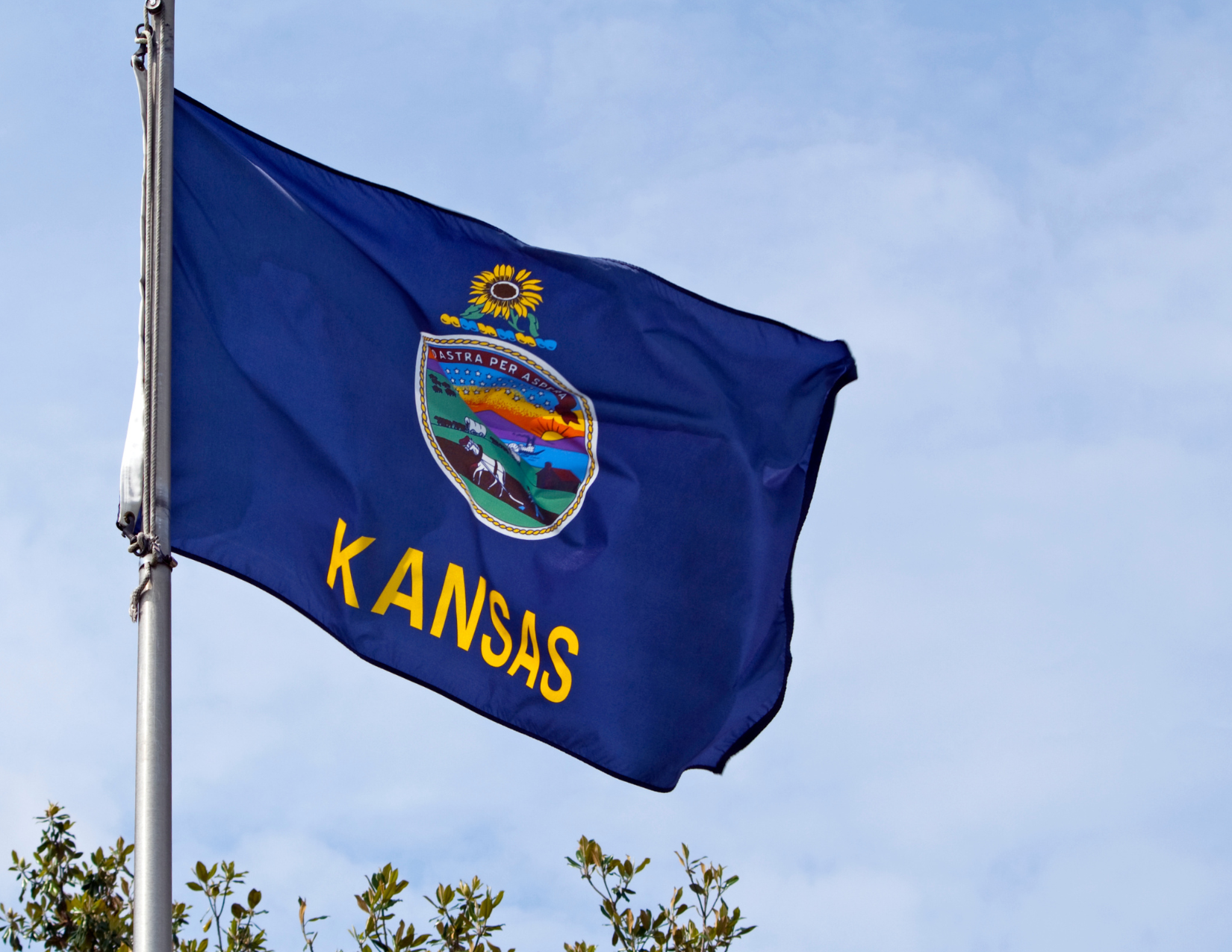
Kansas recently passed Senate Bill 368 (SB 368), a new law that creates a state tax benefit for certain Health Care Sharing Ministry (HCSM) contributions.
While the law does not take effect immediately, it signals a growing trend: states exploring tax advantages for individuals participating in medical cost-sharing arrangements.
Here’s what changed, when it takes effect, and why it matters beyond Kansas.
What Happened?
Kansas enacted SB 368, known as the Health Care Sharing Ministries Tax Deduction Act, after the legislature overrode its veto.
Governor Laura Kelly vetoed SB 368 on March 26, 2026
The Kansas Legislature overrode the veto on March 27, 2026
The bill then became law
The law creates a Kansas state income tax subtraction for qualifying health care sharing contributions.
When Does This Take Effect?
The tax benefit does not apply immediately. It begins for tax years starting after December 31, 2026.
That means:
First eligible tax year: 2027
First time you would see it on your return: early 2028
So, Kansas taxpayers will not see any change on their 2026 return. The benefit is forward-looking.
What Is the Actual Tax Benefit?
SB 368 allows eligible Kansas taxpayers to reduce their state taxable income by subtracting qualifying health care sharing expenses.
Maximum annual subtraction:
Up to $5,000 for individuals
Up to $10,000 for married couples filing jointly
This is a taxable income reduction, not a direct refund. Your actual savings will depend on your income and tax bracket.
What Counts as a Qualified Expense?
According to the legislative framework, qualifying expenses generally include:
Monthly contributions to a Health Care Sharing Ministry
Administrative fees
Payments made for yourself, your spouse, or dependents
These are the typical ongoing costs associated with participating in a health care sharing program.
Important Clarification
This law changes how certain contributions may be treated for state tax purposes, but it does not change how health care sharing works.
Key clarifications:
This law does not make HCSMs insurance
It does not guarantee that medical expenses will be paid
It does not change consumer protection frameworks
Why This Matters for Taxpayers
If you live in Kansas and are part of a health care sharing ministry, this law may:
Reduce your Kansas taxable income starting in 2027
Potentially lower your overall state tax liability
Add another financial advantage to participating in a health sharing model
But the benefit is future-facing, so no action is required for your 2026 filing.
What You Should Do Now
You don’t need to take immediate action, but it can help to stay organized:
Keep records of monthly contributions and fees
Save annual statements from your health care sharing organization
Consult a tax professional when filing for tax year 2027 to confirm eligibility and application of the subtraction
Why This Matters Beyond Kansas
Kansas is part of a growing trend where states are beginning to explore tax treatment for health care sharing participation.
While laws vary by state, this reflects a broader shift toward recognizing alternative healthcare models in tax policy discussions.
Current or emerging examples include:
States with active or live tax-related benefits:
Missouri
Indiana
Montana (via specific mechanisms)
States exploring or advancing similar ideas:
Oklahoma
Ohio
Alabama
More states may continue to evaluate similar approaches in the future.
The Bigger Picture
Kansas SB 368 creates a future tax benefit for qualifying health care sharing members, beginning with the 2027 tax year.
While it does not change how health care sharing works today, it may provide additional tax relief for eligible members in the coming years.
As always, members should consult a qualified tax professional to understand how this applies to their individual situation.