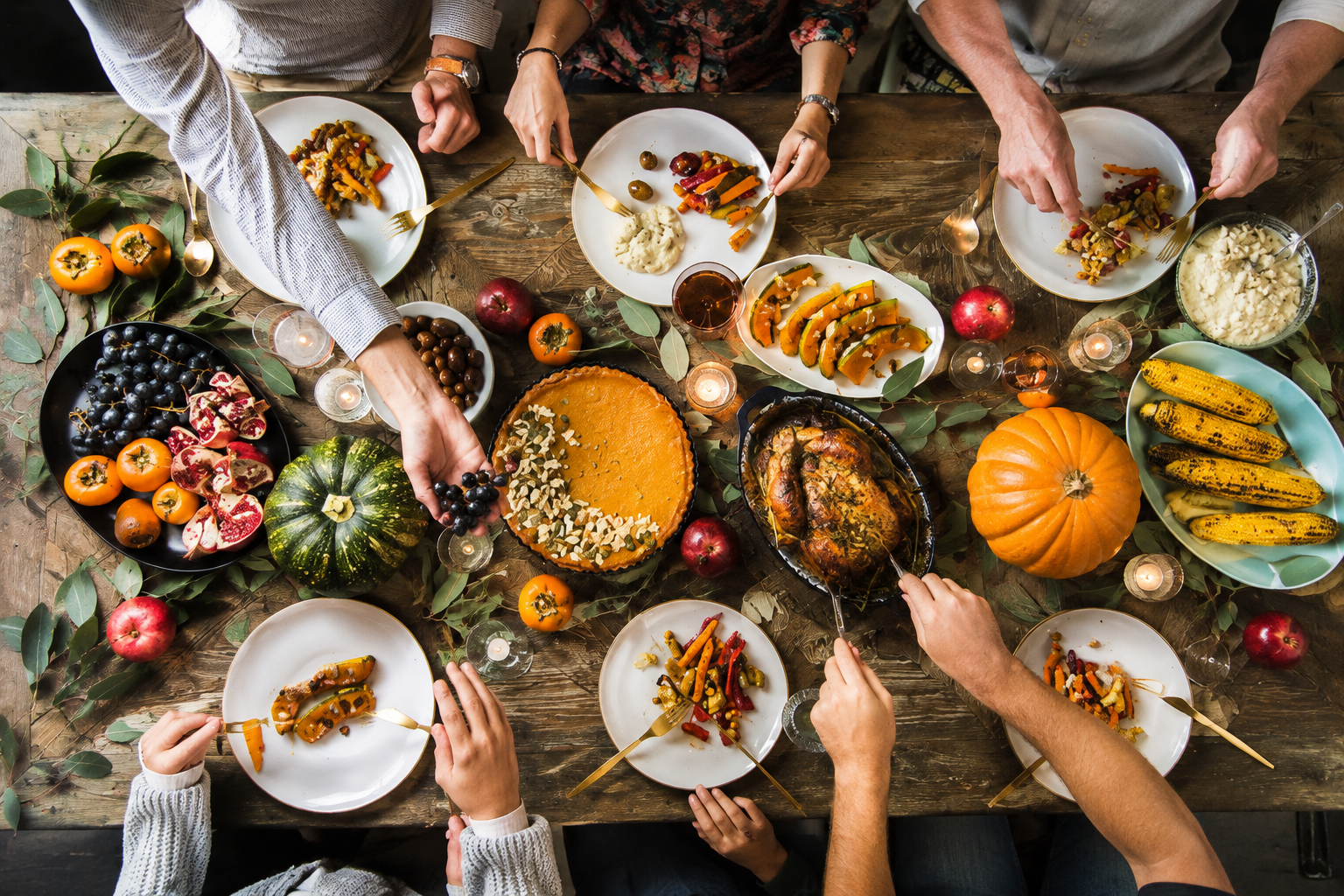
Thanksgiving is a time for gathering around the table, enjoying familiar favorites, and sharing the pleasure of a meal with family and friends. But beneath the golden turkey, colorful vegetables, and beloved side dishes lies something you may not always think about: a surprising amount of nutritional goodness.
Many traditional Thanksgiving foods provide protein, fiber, vitamins, minerals, and beneficial plant compounds that support our health in different ways. At the same time, the ingredients and preparation methods used in some holiday recipes can add considerable amounts of sugar, saturated fat, and sodium.
The good news? You don't have to give up your favorite dishes to make your Thanksgiving meal more nourishing. Understanding what different foods offer and discovering a few simple ways to prepare them can help you enjoy the best of both worlds: good nutrition and the flavors that make the holiday special.
The Nutritional Surprises on Your Thanksgiving Plate
Let's take a closer look at some familiar Thanksgiving foods and the benefits they bring to the table.
Turkey: A Protein-Packed Centerpiece
Turkey is a Thanksgiving tradition for good reason. In addition to providing the centerpiece for many holiday meals, it supplies high-quality protein, which helps maintain muscle, repair tissues, and support numerous essential functions throughout the body.
A 3-ounce serving of skinless turkey breast provides approximately 25 grams of protein, along with B vitamins and minerals such as selenium. Selenium supports normal thyroid function and helps protect cells from oxidative damage.
Turkey also contains tryptophan, an amino acid the body uses to produce serotonin and melatonin, which play roles in mood and sleep regulation. Although turkey is often blamed for post-Thanksgiving sleepiness, the familiar food-coma effect is more complicated than tryptophan alone. A large meal, alcohol, and other factors may contribute.
A simple tip: Choose skinless turkey breast when you want a leaner protein option. Dark meat can also be part of a balanced meal, offering protein and valuable nutrients of its own.
Sweet Potatoes: A Colorful Source of Vitamin A
That bright orange sweet potato on your plate does more than add color and natural sweetness. It is rich in beta-carotene, the plant pigment the body converts into vitamin A.
Vitamin A supports normal vision, immune function, and the health of skin and other tissues. Sweet potatoes also provide fiber, potassium, and vitamin C, making them a particularly nutrient-rich addition to the holiday table.
Their fiber contributes to digestive health, while their naturally sweet flavor makes them a versatile ingredient in both savory and sweet dishes.
A simple tip: Roasting sweet potatoes or mashing them with cinnamon and a little olive oil or milk lets their natural flavor shine. You can still enjoy a traditional sweet potato casserole, but reducing the added sugar and marshmallows can make it a more balanced side dish.
Green Beans and Brussels Sprouts: Small Vegetables, Valuable Nutrients
Green vegetables may not always receive the attention given to the turkey or stuffing, but they bring a variety of nutrients to the meal.
Green beans provide fiber, vitamin C, vitamin K, and folate, a B vitamin involved in cell growth and normal red blood cell formation. Brussels sprouts offer fiber, vitamin C, vitamin K, and other beneficial plant compounds found in cruciferous vegetables.
These vegetables also contribute to the variety of colors and plant foods that nutrition experts encourage us to include in our diets.
A simple tip: Roasting Brussels sprouts with olive oil and herbs or lightly sautéing green beans with garlic can create flavorful sides without relying on rich sauces. If green bean casserole is a family favorite, a lighter homemade sauce can preserve its familiar character while reducing excess sodium and saturated fat.
Cranberries: A Little Fruit with an Interesting Story
Cranberries are more than a colorful accompaniment to turkey. They contain polyphenols, including compounds called proanthocyanidins, that are being studied for their potential effects on human health.
Cranberry products have also been investigated for their role in preventing urinary tract infections (UTIs). A 2023 Cochrane systematic review found that cranberry products may help reduce the risk of recurrent UTIs in certain groups, including women who experience them repeatedly. This does not mean cranberry sauce treats an existing infection, and the findings cannot be applied equally to every cranberry product.
Cranberries' natural tartness is another reason they're often sweetened when served at Thanksgiving. The amount of added sugar, however, can vary considerably between homemade and commercially prepared versions.
A simple tip: Consider making cranberry sauce with whole cranberries, orange zest, and spices, adjusting the sweetener to taste. You'll retain the fruit's distinctive flavor while having more control over the added sugar.
Mashed Potatoes: Comfort Food with Nutritional Value
Mashed potatoes have earned their place among Thanksgiving favorites, and there's no need to regard them as nutritionally empty.
Potatoes naturally provide potassium, vitamin C, and some fiber, particularly when the skin is retained. Potassium helps support normal muscle function and blood pressure regulation. Potatoes also supply carbohydrates, an important source of energy.
Their overall nutritional profile depends in part on how they're prepared. Generous amounts of butter, cream, cheese, and salt can increase the saturated fat, calorie, and sodium content of an otherwise basic dish.
A simple tip: Try incorporating roasted garlic, fresh herbs, or chopped green onions for extra flavor. A little olive oil, milk, or reserved cooking water can help achieve a creamy texture without relying exclusively on butter and heavy cream.
Pumpkin Pie: Dessert with a Nutritional Bonus
Pumpkin may be best known for its starring role in Thanksgiving pie, but the pumpkin itself offers valuable nutrients.
Like sweet potatoes, pumpkin contains beta-carotene, which the body can convert into vitamin A. It also supplies fiber and other vitamins and minerals. These benefits remain part of the picture even when pumpkin is incorporated into dessert.
Traditional pumpkin pie also contains a crust and often includes added sugar, eggs, and dairy ingredients. These contribute to the dessert's overall nutritional profile, so the healthfulness of a slice depends on the recipe and serving size.
A simple tip: Enjoy your favorite pumpkin pie in a portion that feels satisfying. If you're experimenting with recipes, you might try reducing the added sugar slightly or serving the pie without extra whipped cream. There's no need to turn a cherished holiday dessert into something that no longer tastes like the original.
When Traditional Recipes Could Use a Little Rethinking
Many Thanksgiving dishes begin with nutritious ingredients. What changes their nutritional profile is often the combination of added fats, sugar, sodium, and refined ingredients used to prepare them.
That doesn't make these dishes inherently unhealthy, nor does it mean they have no place at the holiday table. It simply gives us an opportunity to consider how small adjustments might improve their overall balance.
Here are a few familiar examples.
Sweet potato casserole: Sweet potatoes offer fiber and beta-carotene, but generous amounts of brown sugar, butter, and marshmallows can turn the side dish into something closer to a dessert.
Green bean casserole: Green beans provide fiber and vitamins, while condensed soup and fried onion toppings can add substantial sodium and fat.
Stuffing or dressing: Bread, vegetables, herbs, and broth create the foundation of a flavorful dish. Depending on the recipe, large amounts of butter, refined bread, and processed sausage can increase its saturated fat and sodium content.
Macaroni and cheese: Pasta provides carbohydrates, while cheese and milk contribute protein and calcium. However, recipes heavy in full-fat cheese, butter, and cream can also be high in saturated fat and sodium.
Gravy: Turkey gravy can be a delicious finishing touch, but the amount of fat and salt varies with the pan drippings, stock, and seasonings used.
The important distinction is that these dishes aren't simply good or bad. Their ingredients, preparation, and serving sizes all contribute to the final result.
Small Recipe Changes, Delicious Results
You don't need to overhaul your entire Thanksgiving menu to make a difference. A few thoughtful adjustments can help preserve the flavors and textures your family enjoys while improving the nutritional balance of selected dishes.
Here are some ideas worth trying.
Give Sweet Potato Casserole a Naturally Sweet Touch
Let the sweet potatoes do more of the work. Cinnamon, nutmeg, and a modest amount of maple syrup can enhance their natural sweetness, while toasted pecans provide crunch and a little unsaturated fat.
If your family loves the traditional marshmallow topping, consider using a smaller amount rather than eliminating it altogether.
Lighten Up Green Bean Casserole
A homemade sauce made with lower-sodium broth, milk, and a little flour or cornstarch can replace condensed soup. Add garlic, black pepper, or herbs for extra flavor, then finish with a modest topping of toasted almonds or crisped onions.
This approach retains the creamy, savory character of the dish without relying as heavily on packaged ingredients and fried toppings.
Bring More Flavor to Mashed Potatoes and Gravy
Roasted garlic, fresh parsley, chives, and other herbs can make mashed potatoes flavorful with less added salt and butter. Milk or some of the reserved cooking water can help create a smooth texture.
For gravy, skim excess fat from the pan drippings before preparing the sauce. A lower-sodium stock can also help you control the salt content while preserving the savory flavor.
Add Variety to Stuffing
Whole-grain bread can contribute more fiber than refined white bread. You can also incorporate extra celery, onions, mushrooms, apples, or fresh herbs to bring additional flavor and texture to the dish.
If sausage is part of your recipe, consider using a smaller amount or choosing a leaner variety. You can also experiment with a meatless version that lets the vegetables and herbs take center stage.
Make Macaroni and Cheese Work a Little Harder
A strongly flavored cheese, such as sharp cheddar, may allow you to use less cheese while retaining a satisfying taste. Pureed butternut squash can add color and creaminess, too, although the overall nutritional improvement will depend on the amounts of cheese, milk, butter, and other ingredients in the recipe.
The goal isn't to disguise the dish or remove everything that makes it enjoyable. It's to discover whether a few adjustments can produce a version you love just as much.
A Thanksgiving Plate Doesn't Have to Be Perfect
With so many tempting dishes on the table, it's easy to feel that making healthy choices means carefully monitoring every bite. But one holiday meal doesn't define your health, just as one nutritious meal cannot determine it.
What matters more is the overall pattern of how we eat and care for ourselves over time. A meal that includes protein, vegetables, fruit, and favorite sides can offer a satisfying balance of nutrients and enjoyment. Paying attention to hunger and fullness can also help you enjoy your food without feeling uncomfortably overfull.
You might begin with the foods you most look forward to, add a vegetable or two, and leave room for the dessert you truly enjoy. If you want to try a lighter version of a family recipe, that's another opportunity, not an obligation.
And remember that the pleasure of Thanksgiving extends well beyond the nutritional content of the food. Sharing traditions, preparing a favorite dish together, and enjoying time with people we care about are meaningful parts of the holiday experience.
Nourishment Goes Beyond What's on Our Plates
Thanksgiving offers a welcome opportunity to appreciate the nourishment on our plates, the people who make our lives richer, and the everyday opportunities we have to care for our health. Enjoying a favorite dish, sharing a meal with people we love, and taking a moment to recognize what we're grateful for can all be part of a meaningful approach to well-being.
As you gather around the table this year, enjoy the familiar flavors, appreciate the goodness that many traditional foods provide, and remember that healthy living isn't about making every choice perfect. It's about the small, thoughtful decisions we make over time and finding joy in the life we're nourishing.
Happy Thanksgiving from MPB Health!
Resources
Cochrane. (2023). Cranberries for preventing urinary tract infections. https://www.cochrane.org/evidence/CD001321-cranberries-preventing-urinary-tract-infections
Harvard T.H. Chan School of Public Health. Sweet potatoes. https://nutritionsource.hsph.harvard.edu/food-features/sweet-potatoes/
Harvard T.H. Chan School of Public Health. Potatoes. https://nutritionsource.hsph.harvard.edu/potatoes/
National Institutes of Health, Office of Dietary Supplements. Vitamin A and carotenoids: Fact sheet for consumers. https://ods.od.nih.gov/factsheets/VitaminA-Consumer/
American Heart Association. Healthy swaps for common foods. https://www.heart.org/en/healthy-living/healthy-eating/eat-smart/nutrition-basics/healthy-swaps-for-common-foods
Diniz, G. D. S., et al. (2023). The effects of gratitude interventions: A systematic review and meta-analysis. Einstein (São Paulo). https://doi.org/10.31744/einstein_journal/2023RW0371