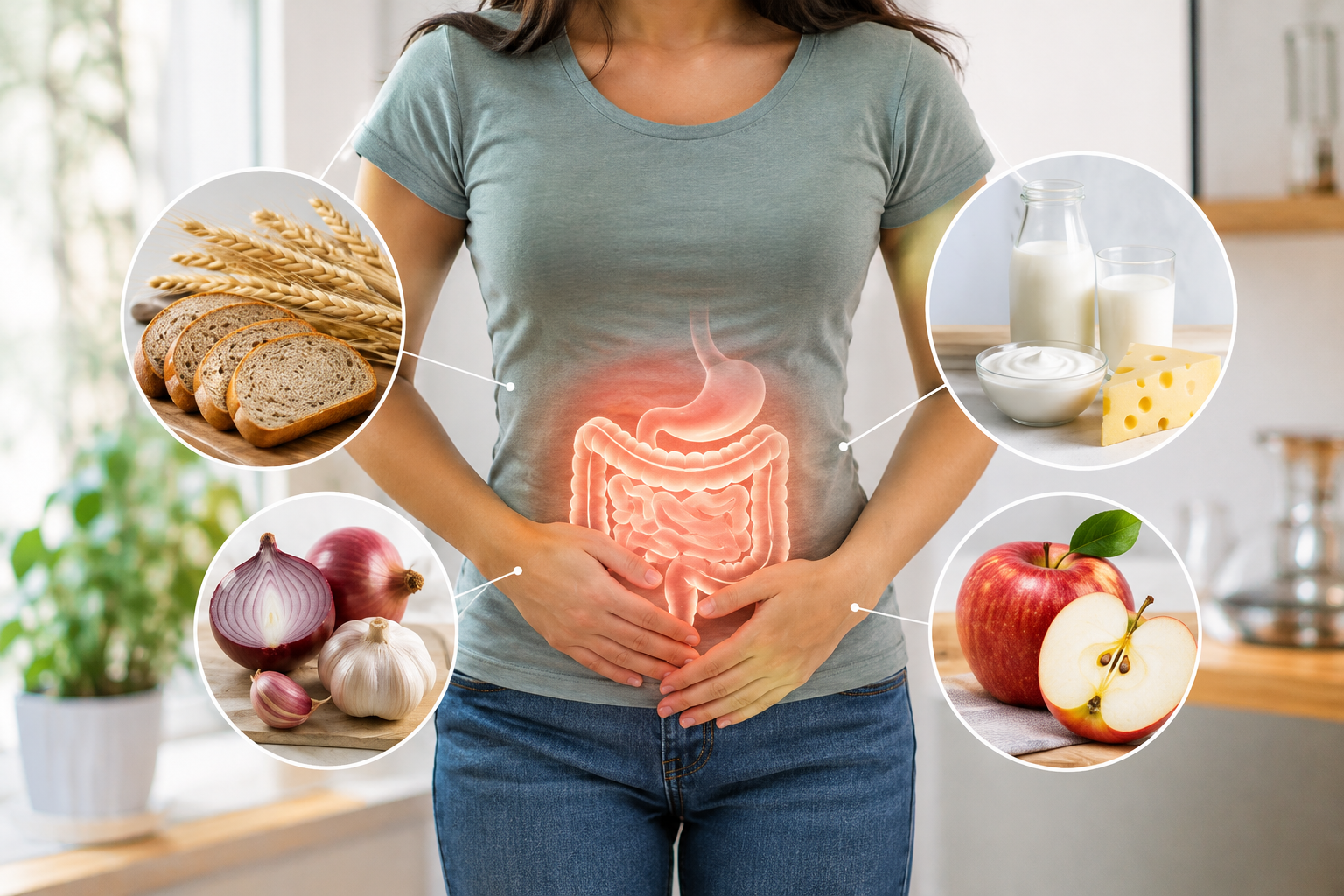
Most of us know the feeling: our abdomen feels comfortable in the morning, but by the afternoon or evening, it seems tight, full, or swollen. Sometimes the discomfort follows a meal; other times, the cause is less obvious. Occasional bloating is common, but when it happens frequently, it can affect how we feel throughout the day and leave us wondering what our bodies are trying to tell us.
The good news is that a few thoughtful changes may help. Understanding what causes bloating, recognizing personal patterns, and knowing when to seek medical advice can make it easier to find an approach that works for you.
What Exactly Is Bloating?
Bloating is the sensation of fullness, pressure, or tightness in the abdomen. It may occur with visible swelling, known as abdominal distension, although the two are not the same. Some people feel quite bloated without any noticeable change in their abdominal size.
Excess gas can contribute to these symptoms, but it isn't always the explanation. Digestion, intestinal movement, constipation, food sensitivities, and the way the digestive tract communicates with the brain can also play a role.
Our digestive system is a complex network influenced by the foods we eat, how food moves through our intestines, the balance of our gut microbiome, and communication between our brain and digestive tract. Changes in any of these processes can contribute to bloating.
That is one reason there is no single solution that works for everyone. The most useful first step is to understand some of the more common causes.
What Causes Bloating?
Gas From Digestion
Gas is a normal byproduct of digestion. Some carbohydrates are not completely broken down in the small intestine, so they travel to the large intestine, where gut bacteria ferment them and release gas. For some people, this can contribute to abdominal pressure, discomfort, and bloating.
Beans, lentils, onions, broccoli, cauliflower, and some whole grains are nutritious foods that contain carbohydrates our bodies may not fully digest. When intestinal bacteria break down these carbohydrates, they produce gas, which can contribute to bloating in some people.
This doesn't mean these foods should automatically be avoided. They provide valuable nutrients and fiber, and people differ in how they tolerate them. Portion size, preparation, and the rest of the diet can all influence how we feel after eating.
Eating Habits That Introduce Extra Air
Some bloating begins before food has even been digested. Eating or drinking quickly, chewing gum, sucking on hard candies, using straws, and drinking carbonated beverages can increase the amount of air we swallow. That air may contribute to burping, gas, or abdominal discomfort.
Eating more slowly, chewing thoroughly with your mouth closed, and limiting conversation while chewing may help reduce swallowed air. If large meals tend to leave you uncomfortable, experimenting with smaller portions may also be worthwhile.
Constipation and Slower Digestion
When stool moves too slowly through the intestines, it can contribute to pressure, fullness, and gas-related discomfort. Some people also experience bloating when their digestive system empties more slowly than usual.
Fiber can help support regular bowel movements, but increasing it too quickly may temporarily increase gas. A gradual approach, along with adequate fluids and regular movement, is generally more comfortable than making a sudden, substantial change.
Food Intolerances and Digestive Conditions
Some people experience bloating after consuming particular foods because they have difficulty digesting or absorbing certain ingredients. Lactose, the natural sugar in milk, is one example. Other people may react to particular fermentable carbohydrates.
Recurring bloating can also be associated with conditions such as irritable bowel syndrome (IBS), celiac disease, or small intestinal bacterial overgrowth (SIBO). These conditions have different causes and may require different approaches, so persistent symptoms should not automatically be attributed to a food sensitivity.
Stress can also affect digestion through the gut-brain connection, influencing intestinal movement and how strongly we perceive digestive sensations. Hormonal fluctuations may contribute to bloating for some people, too.
Natural Ways to Help Relieve Bloating
The best approach depends on what is causing the discomfort. Rather than changing everything at once, try a few manageable adjustments and notice whether they make a difference.
Move a Little After Meals
A gentle walk after eating can support normal digestive movement and may help relieve the feeling of fullness. Even a short, comfortable walk is a reasonable place to start. You don't need an intense workout to benefit from moving more throughout the day.
Slow Down and Enjoy Your Meals
Eating at a more relaxed pace gives you time to chew thoroughly and may reduce the amount of air you swallow. Paying attention to fullness can also make it easier to recognize when a portion is more than your digestive system comfortably handles.
If you tend to eat quickly when busy, even slowing down for the first few minutes of a meal can be a useful experiment.
Look for Your Personal Food Triggers
A simple food-and-symptom diary can help identify patterns. Note what you eat, approximately how much, when symptoms appear, and any other factors that might matter, such as stress, bowel habits, or your menstrual cycle.
If a particular food seems connected to symptoms, consider eliminating it temporarily and observing what happens. Reintroducing it later can help you determine whether it truly makes a difference. Avoid eliminating multiple food groups without a clear reason, since unnecessary restrictions can make it harder to maintain a varied, nutritious diet.
Make Fiber and Hydration Work Together
Fiber supports bowel regularity and overall digestive health, but more isn't always better in the short term. A sudden increase, particularly from certain highly fermentable foods or fiber supplements, can make bloating worse for some people.
Increase fiber gradually, drink enough fluids, and pay attention to how different sources affect you. Fruits, vegetables, whole grains, beans, and lentils offer valuable nutrients, so the goal is to find a comfortable balance rather than avoid these foods unnecessarily.
What About Peppermint, Ginger, and Probiotics?
Some natural products may help with particular digestive symptoms, although the evidence varies.
Peppermint oil: Enteric-coated peppermint oil capsules may provide short-term relief for some people with IBS symptoms. Peppermint can worsen acid reflux or heartburn, however, and concentrated products are not suitable for everyone.
Ginger: Ginger has been studied for its effects on gastric emptying and certain digestive symptoms. Its benefits for bloating in general are less firmly established, so it is best viewed as an option to explore rather than a proven remedy.
Probiotics: These products contain live microorganisms intended to influence the gut microbiome. A 2023 systematic review and meta-analysis of 82 clinical trials involving more than 10,000 people with IBS found that some probiotic strains or combinations may help certain symptoms. However, the evidence specifically supporting relief from bloating was very uncertain. Benefits vary by strain and condition, and no single product can be recommended for bloating generally.
Herbal products and supplements can have side effects or interact with medications. If you are considering a concentrated supplement, particularly if you have a health condition or take medication regularly, check with a qualified healthcare professional.
Could the Low-FODMAP Diet Help?
For people with irritable bowel syndrome, the low-FODMAP diet is one dietary approach with research supporting its potential to reduce symptoms, including abdominal pain and bloating.
FODMAP stands for fermentable oligosaccharides, disaccharides, monosaccharides, and polyols. These are types of short-chain carbohydrates that can be poorly absorbed in the small intestine. In susceptible people, they may draw water into the intestine and be fermented by gut bacteria, contributing to gas and discomfort.
A 2022 systematic review and network meta-analysis of 13 randomized controlled trials involving 944 participants found that a low-FODMAP diet was a promising dietary option for managing IBS symptoms, including bloating and abdominal distension. Traditional dietary advice can help, too, and the low-FODMAP approach is not necessary for everyone who experiences occasional bloating.
When appropriate, the diet is generally approached in three stages:
Restriction: For a limited period, higher-FODMAP foods are reduced or eliminated to see whether symptoms improve.
Reintroduction: Foods are systematically added back, usually one group at a time, to identify which ones may trigger symptoms and in what amounts.
Personalization: The diet is adjusted to include as wide and varied a selection of foods as possible while keeping symptoms manageable.
The aim is not to eliminate these carbohydrates permanently. Many FODMAP-containing foods provide fiber and support beneficial gut bacteria. Because the diet can be restrictive and nutritionally complicated, working with a registered dietitian experienced in digestive health can help make the process safer and more useful.
When Should You Seek Medical Advice?
Occasional bloating that settles on its own is usually not a cause for alarm. However, persistent, recurrent, or worsening symptoms deserve attention, especially if they are new or represent a change from your usual digestive pattern.
Speak with a healthcare professional if bloating occurs alongside unexplained weight loss, blood in the stool, persistent changes in bowel habits, loss of appetite, ongoing diarrhea, or significant abdominal pain. Persistent nausea or vomiting also warrants evaluation.
For women with ovaries, ongoing or new bloating, particularly when accompanied by pelvic or abdominal pain, feeling full quickly, or needing to urinate more often, should be assessed by a healthcare professional. These symptoms can have many causes, but it is important not to overlook a possible underlying condition.
Severe abdominal pain with vomiting, or an inability to pass stool or gas, requires urgent medical assessment.
A More Comfortable Relationship With Digestion
Bloating can be frustrating, particularly when it seems to appear without an obvious reason. But the answer isn't necessarily to eliminate favorite foods, follow a restrictive diet, or try every supplement on the shelf.
Small, thoughtful changes can sometimes reveal useful patterns: a slower meal, a short walk, a more gradual increase in fiber, or a better understanding of which foods agree with you. If symptoms persist, a healthcare professional can help identify causes that may need a more specific approach.
The goal isn't a perfectly flat abdomen or a flawless diet. It's understanding your body a little better and finding a comfortable, sustainable way to nourish it.
Selected Resources
Black, C. J., Staudacher, H. M., & Ford, A. C. (2022). Efficacy of a low FODMAP diet in irritable bowel syndrome: Systematic review and network meta-analysis. Gut, 71(6), 1117–1126. https://doi.org/10.1136/gutjnl-2021-325214
Goodoory, V. C., Khasawneh, M., Black, C. J., Quigley, E. M. M., Moayyedi, P., & Ford, A. C. (2023). Efficacy of probiotics in irritable bowel syndrome: Systematic review and meta-analysis. Gastroenterology, 165(5), 1206–1218. https://doi.org/10.1053/j.gastro.2023.07.018
Guts UK. (n.d.). Bloating and distension. https://gutscharity.org.uk/advice-and-information/symptoms/bloating-and-distension/
Harvard Health Publishing. (2024, June 11). How to get rid of bloating: Tips for relief. https://www.health.harvard.edu/
Mayo Clinic. (2024, January 30). Gas and gas pains. https://www.mayoclinic.org/diseases-conditions/gas-and-gas-pains/in-depth/gas-and-gas-pains/art-20044739
National Center for Complementary and Integrative Health. (n.d.). Peppermint oil. https://www.nccih.nih.gov/health/peppermint-oil