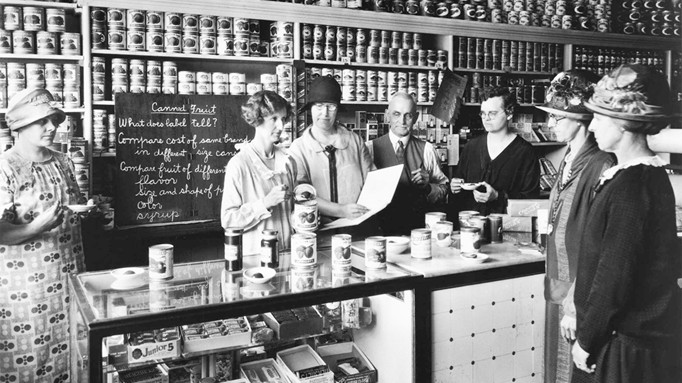
Many of the principles that guide modern nutrition and wellness were shaped by women whose research, leadership, and advocacy helped move food from the kitchen into the clinic, the classroom, and public health policy.
When we think about nutrition today—reading labels, choosing whole foods, or hearing about dietary patterns like the Mediterranean diet—it can feel very modern. But many of these ideas were introduced decades (and even centuries) ago by women who believed food could improve lives, not just treat disease.
Here’s a look at how nutrition evolved over time, through the work of women whose contributions continue to influence how we eat, live, and care for our health.
Late 1800s–Early 1900s: Nutrition Enters Everyday Life
Ellen Swallow Richards (1842–1911)
In the late 19th century, nutrition wasn’t yet a scientific field—it was domestic knowledge, often overlooked or undervalued. Ellen Swallow Richards helped change that.
As the first woman admitted to MIT, Richards applied chemistry to real-world concerns: food safety, clean water, sanitation, and the nutritional quality of daily diets. She believed health began long before illness—at home, in schools, and within communities.
Her work helped establish:
Early nutrition education programs
The foundation for school lunch initiatives
Public health standards for food and water safety
Richards reframed nutrition as a form of prevention, introducing the powerful idea that what we eat and the environment we live in shapes long-term health.
Early–Mid 1900s: Nutrition Becomes a Healthcare Profession
Lenna Frances Cooper (1883–1961)
As hospitals and public health systems expanded in the early 20th century, Lenna Frances Cooper helped ensure nutrition had a place at the bedside.
A co-founder of what would become the Academy of Nutrition and Dietetics, Cooper was instrumental in professionalizing dietetics, establishing education standards and integrating nutrition into patient care.
Her textbook, Nutrition in Health and Disease, shaped the training of nurses and dietitians for decades.
Cooper’s work reinforced a now widely accepted belief: food is a therapeutic tool, essential to healing, recovery, and prevention.
1940s–1950s: Nutrition Under Pressure—and Proven to Work
Elsie Widdowson (1906–2000)
During World War II, food scarcity posed a serious threat to public health. Elsie Widdowson’s research demonstrated that thoughtfully planned diets could sustain health—even under extreme conditions.
As co-author of The Chemical Composition of Foods, she helped create one of the first comprehensive nutrient databases. Her work guided wartime rationing and food fortification policies that kept populations nourished during prolonged shortages.
Widdowson’s legacy reminds us that nutrition isn’t defined by abundance—it’s defined by balance, planning, and evidence-based choices.
1990s–2000s: From Individual Nutrients to Lifestyle Patterns
Antonia Trichopoulou (born 1938)
By the late 20th century, nutrition science began shifting its focus—from individual nutrients to how people eat in real life. Antonia Trichopoulou played a pivotal role in this evolution.
Her research on traditional Mediterranean eating patterns linked diet and lifestyle habits to improved heart health, longevity, and reduced risk of chronic disease. Importantly, her work emphasized more than food alone—it highlighted physical activity, shared meals, and cultural context.
This holistic approach helped reshape modern wellness messaging and continues to influence dietary guidance today.
2000s–Present: Nutrition, Policy, and Everyday Choice
Marion Nestle (born 1936)
In today’s nutrition landscape—where food labels, marketing claims, and ultra-processed foods dominate the conversation—Marion Nestle’s work has been especially influential.
Through research, teaching, and books like Food Politics, Nestle has illuminated how food choices are shaped not only by personal habits, but also by industry influence and public policy. Her work encourages transparency, accountability, and informed decision-making.
Nestle’s voice continues to remind us that nutrition is personal—but it’s also deeply connected to systems that affect access, affordability, and health outcomes.
A Shared Legacy Worth Celebrating
Together, these women helped transform nutrition from informal knowledge into a cornerstone of modern wellness and preventive care. Their work shaped how we understand food—not just as fuel, but as a foundation for lifelong health.
As we recognize Women’s History Month alongside National Nutrition Month, it’s worth remembering that many of the nutrition principles we rely on today exist because women pushed for food to be taken seriously—as science, as medicine, and as a vital part of everyday life. Their legacy continues with every informed choice we make at the table.
References (APA Style)
Cooper, L. F. (1938). Nutrition in health and disease (2nd ed.). J. B. Lippincott Company.
Nestle, M. (2013). Food politics: How the food industry influences nutrition and health (Revised and expanded ed.). University of California Press.
Richards, E. S. (1910). Nutrition and diet. Whitcomb & Barrows.
Trichopoulou, A., Costacou, T., Bamia, C., & Trichopoulos, D. (2003). Adherence to a Mediterranean diet and survival in a Greek population. New England Journal of Medicine, 348(26), 2599–2608. https://doi.org/10.1056/NEJMoa025039
Widdowson, E. M., & McCance, R. A. (1940). The chemical composition of foods. His Majesty’s Stationery Office.